Water bills are rising across Canada, and finding ways to save money on your water bill has become a real priority for many households. This guide covers practical water conservation strategies: from zero-cost routine changes to government rebate programs that help offset the price of upgrades. These are the most reliable steps to save money on water bill and wastewater charges across any Canadian household.
Whether your focus is how to save water in the bathroom or how to lower water bill costs outdoors, the changes here translate directly to lower monthly charges.
Understanding Your Canadian Water Bill
Average Water Bill in Ontario, Toronto, and Other Major Cities
The average Canadian uses approximately 215 litres of water per day, putting Canada among the highest per-capita water users in the world. How much that costs you depends on where you live, since water rates are set by individual municipalities rather than at the provincial level.
The average water bill Ontario households receive varies by city, but metered urban households typically pay several hundred dollars per year for combined water and wastewater services. The average water bill Toronto residents receive is based on metered consumption plus fixed service charges for water delivery and sewage treatment. Toronto has raised rates annually in recent years as part of long-term infrastructure investment plans.
One thing many homeowners miss: in most Canadian cities, sewer charges are calculated as a percentage of your water consumption. Every litre of water you save shows up twice on your bill. It's one of the more practical reasons to treat water conservation as a financial priority rather than just an environmental one.
Flat-Rate vs. Metered Billing
Most urban Canadian households are on metered billing, meaning charges reflect actual consumption. Some rural and smaller municipalities still use flat-rate billing, where you pay a fixed amount regardless of how much you use. If your household is on a flat rate and you're a low-to-average user, switching to metered billing could lower your costs. Contact your local utility to ask what's available.
How to Save Water in the Bathroom
The bathroom accounts for more than half of all indoor residential water use in Canada. That makes it where water conservation tips for home use have the biggest financial impact.
Find and Fix Leaky Toilets and Faucets
A dripping faucet (one drop per second) wastes more than 8,000 litres of water per year. A running toilet can lose far more, and it's often silent. The test is easy: put a few drops of food colouring into your toilet tank, then wait 15 minutes without flushing. If colour appears in the bowl, you have a leak. Replacing a toilet flapper typically costs under $15 and takes about 20 minutes.
Leaks are also the first line of high water bill solutions. Toilets account for about 30% of all indoor water use, and older models installed before 1994 typically use 13 litres or more per flush. High-efficiency toilets certified under the WaterSense standard use 4.8 litres per flush or less (a reduction of more than 60%). Many Canadian municipalities offer rebates specifically for toilet replacements (more on that below).
Low Flow Showerhead Deals and Faucet Aerators
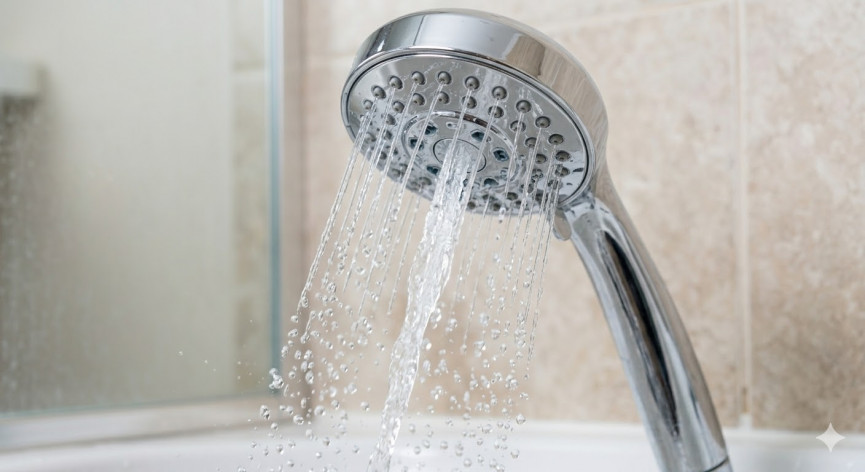
Swapping an older 9.5L/minute showerhead for a low-flow model running at 5.7L/minute can save a family of four more than $100 per year on combined water and water-heating costs. Low flow showerhead deals come up regularly at Canadian Tire, Home Depot, and Amazon.ca, with quality models typically ranging from $20 to $50. The payback period is usually just a few months.
Faucet aerators are even simpler. A faucet aerator screws onto your existing tap, costs $5-$10, and cuts water flow by up to 30% without noticeably reducing the pressure you feel. It's one of the more low-effort water saving tips with a fast return, and since it's removable, renters can take it to the next place.
Simple Bathroom Habits That Reduce Water Usage
Turning off the tap while brushing your teeth saves around 8 litres per brush. For a family of four brushing twice a day, that's roughly 23,000 litres per year. Reducing your shower by a couple of minutes saves approximately 9 to 19 litres per session depending on your showerhead. These ways to save water at home cost nothing to implement and add up across the whole household year-round.
How to Conserve Water in the Kitchen and Laundry Room
The Dishwasher vs. Hand-Washing Comparison
If you're hand-washing dishes to save water, the math works against you. A modern Energy Star-certified dishwasher uses as little as 11 litres per cycle. Washing the same load by hand with the tap running can use over 100 litres. Run full loads and let the machine handle it.
Cold-Water Laundry and Other Ways to Save Water at Home
About 90% of the energy a washing machine uses goes toward heating the water rather than the wash cycle itself. Switching to cold water for most loads cuts energy costs with minimal impact on cleaning. Running full loads rather than several partial ones also reduces both water and energy use per item washed. These are ways to save water at home that require no equipment purchases and take effect immediately.
Water Conservation Tips for Outdoor Savings
Summer is when water bills typically spike, driven largely by lawn and garden watering. A few adjustments to how and when you water can keep that seasonal increase in check.
Timing matters. Watering in the early morning or at dusk reduces evaporation compared to afternoon watering, so less water achieves the same result. Most lawns only need about 2.5 cm per week, including rainfall.
The tuna can method gives you a practical way to avoid over-watering: place an empty tuna can on the lawn while the sprinkler runs. Once it holds about 2.5 cm of water, you've watered enough for that session. Over-watering is one of the more common and easily avoidable sources of inflated summer bills.
Rain barrels let you collect water from your downspout and use it on gardens and lawns without drawing from your metered supply. Many Canadian cities sell them at a discount through seasonal programs, typically launched in spring. Check your municipality's environment or sustainability page for current availability.
Utility Rebates Canada 2026: Programs Worth Checking
Before spending on upgrades, check whether your municipality will share the cost. These programs change seasonally, so always verify current availability on official websites. Here are the main categories to look for.
Toilet rebates: The Region of Peel and York Region have both offered $50-$100 rebates for replacing older toilets with WaterSense-certified models. Similar programs have run in other major cities. Search your city name plus "toilet rebate" to find what's currently active.
Free efficiency kits:BC Hydro and Efficiency Manitoba have both provided free energy-saving kits to residential customers, typically including low-flow showerheads and faucet aerators. Check their current residential program pages for availability.
Rain barrel programs: Many cities offer rain barrels at a discount through spring programs, typically announced in March or April. Check your municipality's environment page around that time each year.
Smart water monitors: Devices like the Moen Flo track your home's water usage and alert your phone to unusual flow patterns, which often indicates a leak before it becomes a major problem. These tend to be priced higher but go on sale regularly during Black Friday and major sale events. If your home has had water damage before, the savings on your insurance deductible can more than justify the cost.
For a broader overview of current federal and provincial programs, Natural Resources Canada maintains a list of energy and water efficiency incentives for home upgrades.
Frequently Asked Questions
What is the average water bill in Ontario and Toronto?
Water billing in Ontario is set at the municipal level, so rates vary by city. In Toronto, the average water bill reflects metered consumption plus fixed service charges for water delivery and wastewater. Toronto has increased its rates annually in recent years. For current figures, check the City of Toronto's water rates page directly.
How do I check for a silent toilet leak?
Add a few drops of food colouring to the toilet tank. Wait 15 minutes without flushing. If colour appears in the bowl, the flapper valve is leaking. Flappers are inexpensive and straightforward to replace, and fixing one can prevent the loss of hundreds of litres per day depending on how severe the leak is.
Does lowering water pressure reduce my bill?
Slightly, but installing low-flow fixtures and fixing leaks makes a far more significant difference. A low-flow showerhead or faucet aerator achieves a 30-60% reduction in flow rate, which typically exceeds what pressure adjustments alone can do. Start with fixtures and leaks first.
Do these water saving tips apply to renters as well as homeowners?
Many of them do. Running full dishwasher loads, switching to cold water laundry, turning off taps while brushing, and reporting leaky toilets to your landlord as maintenance issues are all available to renters. Faucet aerators and low-flow showerheads are inexpensive and removable, making them practical upgrades even in a rental. Larger investments like smart water monitors are more of a homeowner consideration.
How do I find out if there's a water rebate program in my city?
Search your city's name plus "water rebate" or "water conservation rebate" on your municipal website. Spring is the most common launch window for rain barrel programs; toilet and efficiency kit programs can run year-round. Signing up for your city's environment or utilities newsletter is the easiest way to catch these offers when they open.